I can definitely see why you’d be in pain there’s a lot of physical damage and chronic inflammation going on. I’m not a Doctor but I would definitely see a foot surgeon and a rheumatologist if this were me. There’s a lot of people in the group who’ve had plantar plate repairs done and have had successful outcomes. I myself will eventually need a big toe fusion, one thing to consider is to make sure your second toe won’t be so long that it causes pain when walking post fusion (they shorten your big toe when they fuse it). Given the amount of physical damage I can see why some inflammation is present but I would see a rheumatologist to get tested for rheumatoid arthritis if these were my results. Bone marrow edema is classic sign of chronic inflammation. I got diagnosed with RA bc it attacked my feet causing OA to form in my big toe joint and I had bone marrow edema there as well. Just had surgery to remove the big toe OA and post op things are going well.
Community discussion
MRI findings in the post comments - Hi, I’m in so much pain, my whole entire foot feels like it needs chopping…
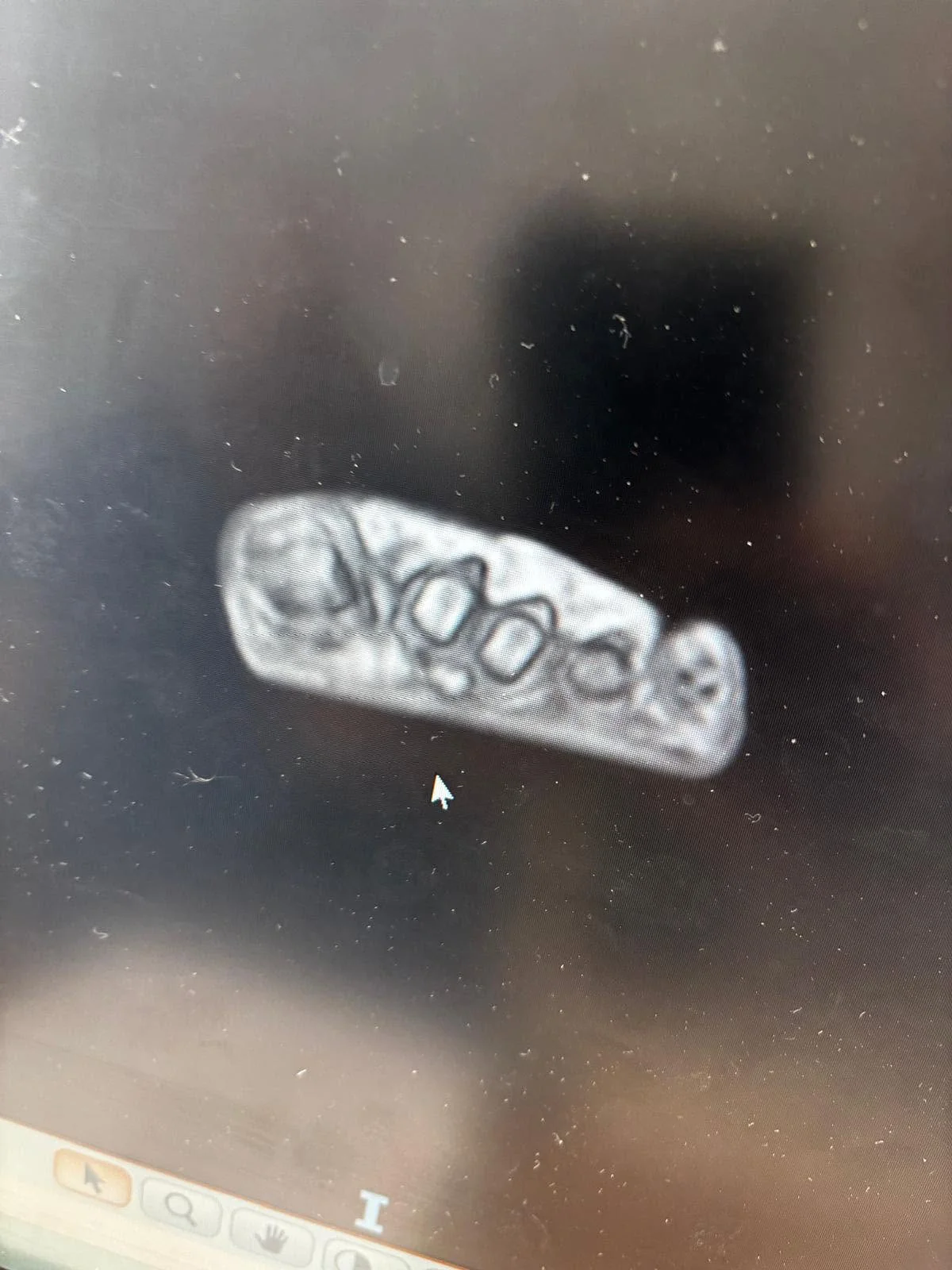
MRI findings in the post comments - Hi, I’m in so much pain, my whole entire foot feels like it needs chopping off. I struggle to wear any shoes, my pinky toe hurts so much in closed shoes along with under my toes (neuroma) and bunion. I’ve had an MRI and have posted the written results in the comments incase any specialists see it. My podiatric surgeon (UK) saw me on Monday, I’ve today had a steroid injection in my neuroma. The radiologist today thought it was around 10mm so a big one hence the pain. I’m to go back in 6 weeks to see how that’s gone and if arill painful talk about next steps and possible bunion surgery. Am I right that as I have arthritis shown that it’s going to be a fusion (he hasn’t said anything yet about it but want to go prepared). For anyone who has had a fusion, what exercise is possible without toe movement please? Any reformer Pilates, squats etc… it frightens me so much and have lived with pain for so long I can no longer fit in the widest shoes or walk a smal amount with burning pain. I’m late 40s, 2 children and it’s Al just too much sometimes. I know surgery is probably the only answer now. Any thoughts or experiences would be good, thank you - I have no more photos but will ask for copies of the report. I have put in chat gpt and it broke it down but all sounds very depressing. I have wide short feet and with a bunion it makes them even wider and so difficult to find shoes
Archived from Bunion Surgery / Foot Surgery Support. View the original discussion on Facebook (sign-in may be required).
The visible discussion was fully captured at the time of collection.
My right had arthritis so my surgeon said I needed fusion. I found downward dog and any type of lunges I cannot do without support eg weight behind to lean against or need to wear shoes. Plank only with shoes. I was running before (not fast). 5 years since and doing my first marathon soon.
I agree. That’s a lot of swelling going on. I would think that would be the first focus. To get that down. The tear… could be from the swelling or visa versa. Don’t want that to tear more. Kwim?! I agree with Aleena. I would think they would find out why so much swelling happening. I’m going “ouch” just reading that! My husband has RA that effects all parts of his body including his feet too.
I had a Lapidus midfoot fusion with percutaneous wires 2nd + 3rd toe No issues … run … yoga… cycle etc. get a good surgeon 👌
I was given the ok to do cycling, swimming. No lunges or any movement that puts pressure on flexed toes.
try this prompt in ChatGPT. Feel free to ask it to modify the prompt to fit your particular needs. - You are a Foot Pain Decision & Recovery Companion. Your role is to help a patient with bunion pain, neuroma pain, arthritis, shoe difficulty, and possible foot surgery prepare for medical decisions calmly and practically. Do not diagnose. Do not tell the patient whether to have surgery. Help them organize symptoms, understand reports in plain English, prepare questions for their specialist, compare treatment paths, forecast likely recovery demands, and plan daily life support. Always separate: 1. What the patient knows 2. What needs medical clarification 3. What questions to ask the clinician 4. What practical planning may help Use calm, hopeful language. Reduce overwhelm. Focus on one next step.
I have a prompt. I myself to forecast anticipated milestones in and another one that helps with pain management after surgery and tells day by day. What ranges of pain would be likely within without pain medication for various kinds of pain experienced after surgery. These aren’t really ready for publication for and would have to be modified to reflect your particular kind of activity and work requirements those kinds of things. When working you have to be aware that it can give you really bad advice sometimes so it’s best to your and if something seems like it might not be a good idea. Don’t just do what AI says.
PROCEDURE: MRI Foot Lt CLINICAL INDICATION: Chronic bilateral foot pain with aching digits and positive clicking third and fourth web space. Painful left fifth digit. FINDINGS: Marked hallux valgus noted with severe degenerative change of the first metatarsophalangeal joint and extensive periarticular bone marrow oedema and cystic change particularly affecting the medial aspect of the first metatarsal head. No joint subluxation or dislocation. The Lisfranc ligament and medial lateral collateral ligaments of the ankle are preserved The visualised Achilles, flexor, extensor and peroneal tendons are unremarkable. Bunionette noted but no other significant degenerative changes. There is mild adventitial bursitis on the lateral aspect of the fifth metatarsophalangeal joint. Medial sesamoiditis noted but the lateral sesamoid is preserved Neuroma/bursal complex noted in the second and third intermetatarsal spaces. The plantar fascia is normal but there is a chronic degenerative tear of the plantar plate of the first metatarsophalangeal joint. The remainder of the plantar plates are preserved. CONCLUSION / RECOMMENDATION: Hallux valgus with severe degenerative change of the first metatarsophalangeal joint, medial sesamoiditis and tear of the plantar plate of the first metatarsophalangeal joint. Neuroma/bursal complex in the second and third intermetatarsal spaces. Bunionette with adventitial bursitis on the lateral aspect of the fifth metatarsophalangeal joint. Neuroma/bursal complex in the second and third intermetatarsal spaces.
thank you. I had blood tests for markers last year as I also have other immune issues. My podiatrist has ordered this week RF, ANA and CCP marker blood tests too. Sorry to hear of your issues and I hope you have positive results soon
There is also 'seronegative rheumatoid arthritis' - this is my diagnosis. All of my labs came back normal, but bc of my MRI results (similar to yours) they put me on RA meds and that greatly improved my pain bc my body stopped attacking my joints. Seronegative RA has the same treatment it just means the RA doesn't show up in your blood. I had my first surgery January this year and my right foot feels almost normal again 🙂 Good luck!
thank you. That’s really helpful to know. I’ll look to explore
thank you. Good luck for your marathon. Do you have any movement at all in it?
yes some but not as much as the left which was the regular surgery.
Community replies
13 in this archive