Alignment of the foot is dictated by connective tissue not the skeleton. If you debone a fish, it does not change form. In general, the body parts with more joints have less successful outcomes. The fact that 3 different doctors have 3 different surgical plans, for me, is a red flag. It is a challenge to obtain effective non-surgical treatment of the feet because most PT's do not have extensive training in treating the foot, and non-surgical podiatrists don't have the rehab training of a PT. I can say this as I educate both PT's and Podiatrists in non-surgical, corrective functional foot treatment. I have spent the last 15 years specializing and teaching foot and ankle. If you are interested in learning how I treat feet multidimensionally, I would be happy to share my website information.
Community discussion
Hello! I'm trying to decide between surgical options or no surgery. I'm 57 years old and have lots of travel…
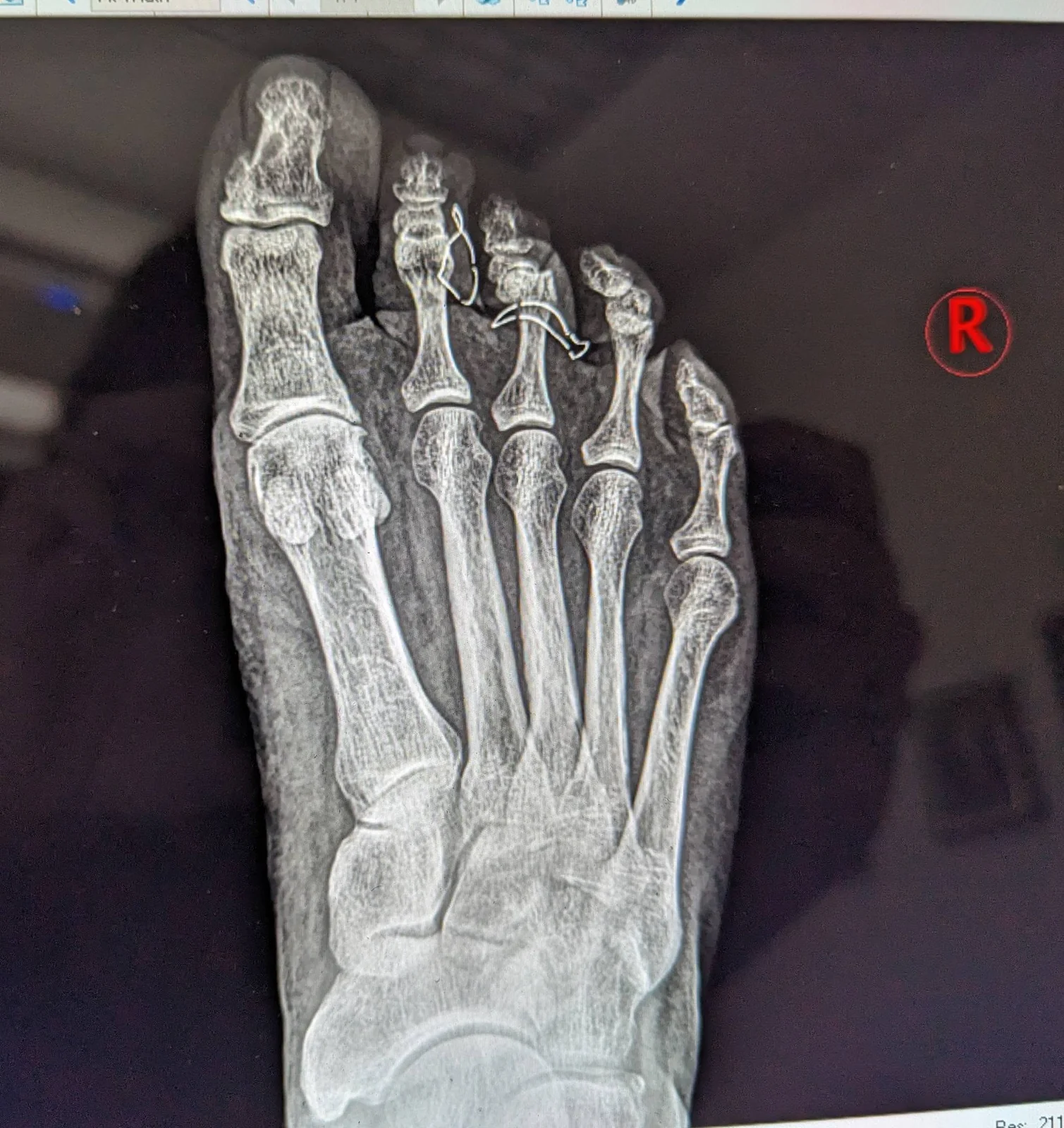
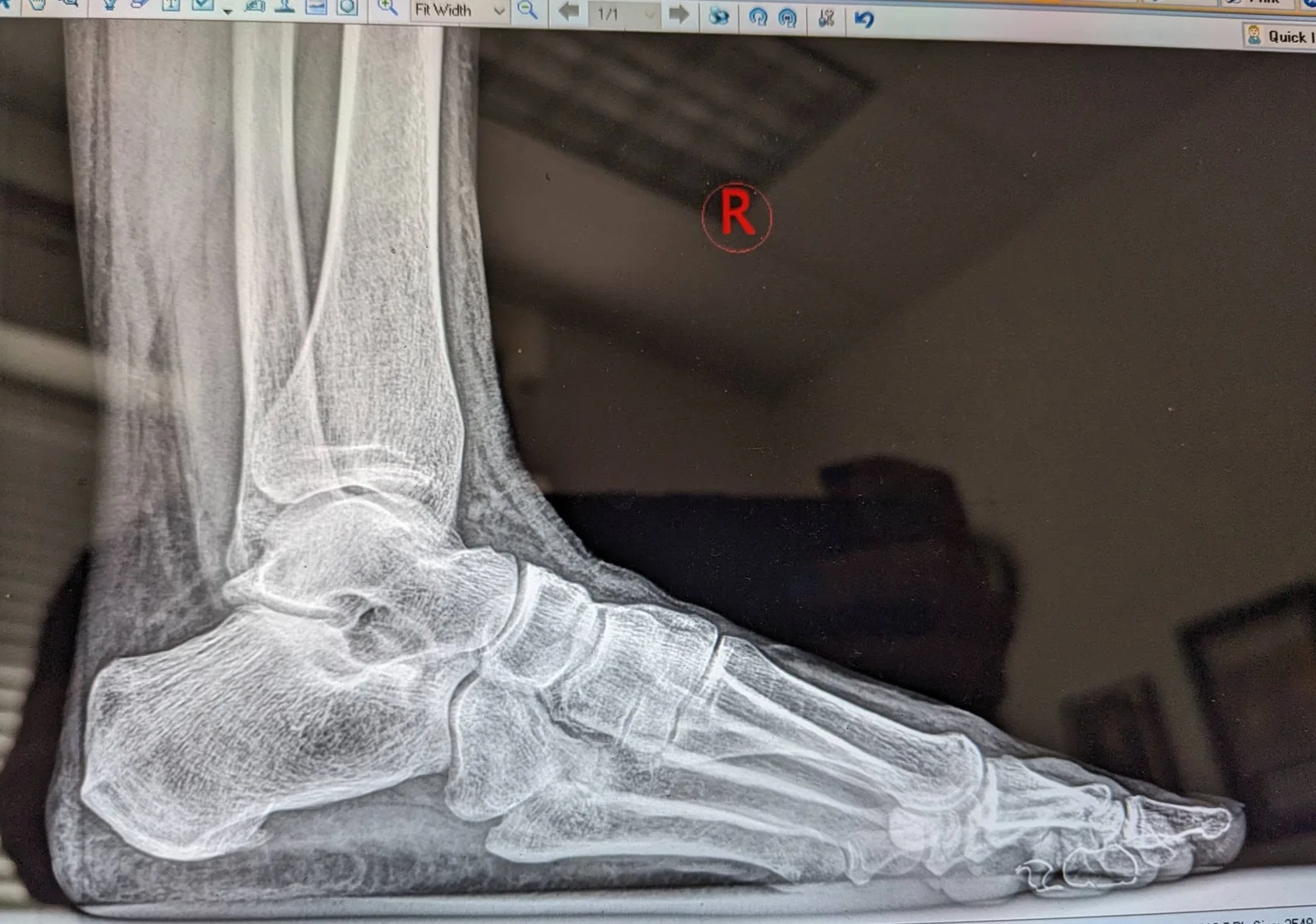
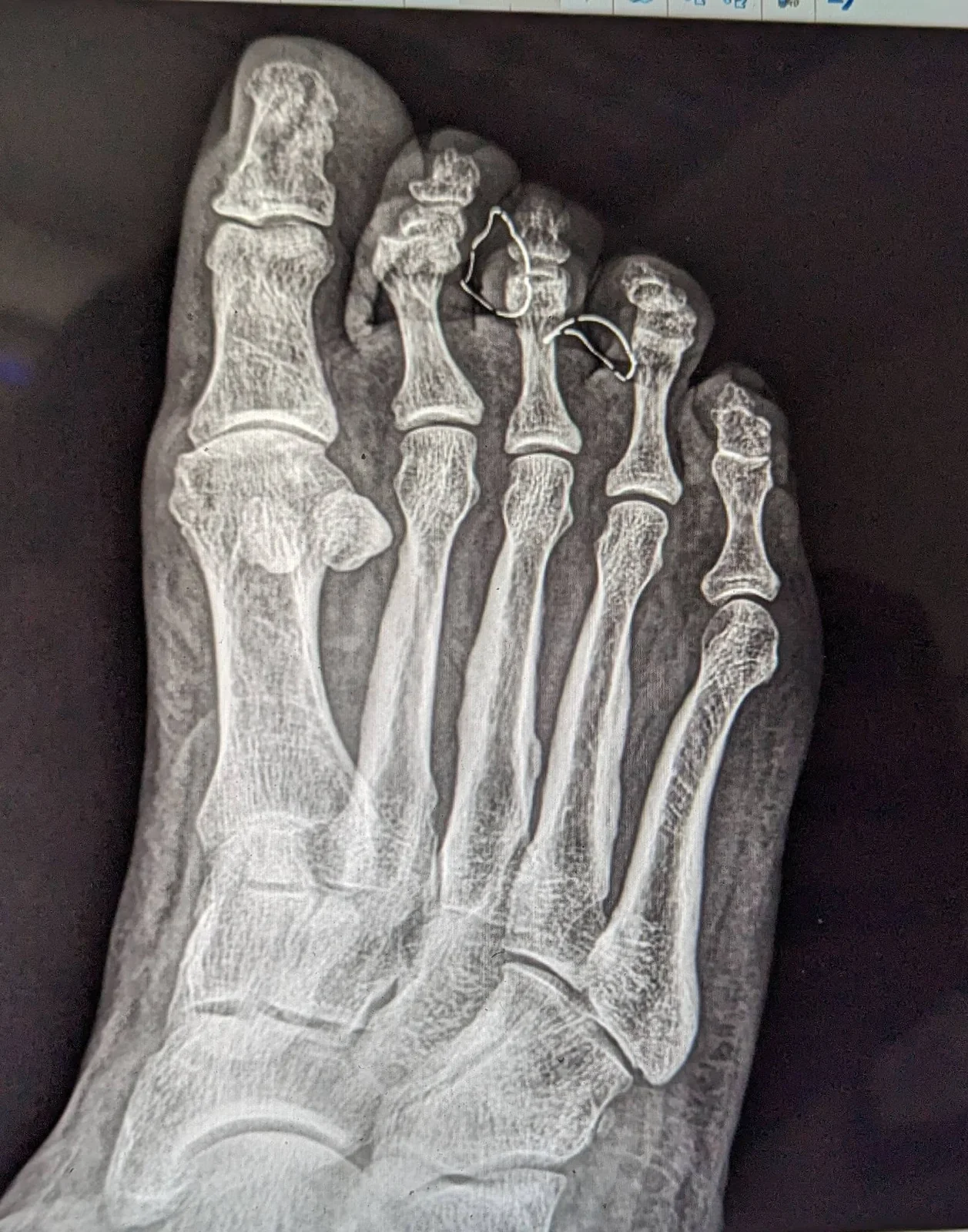
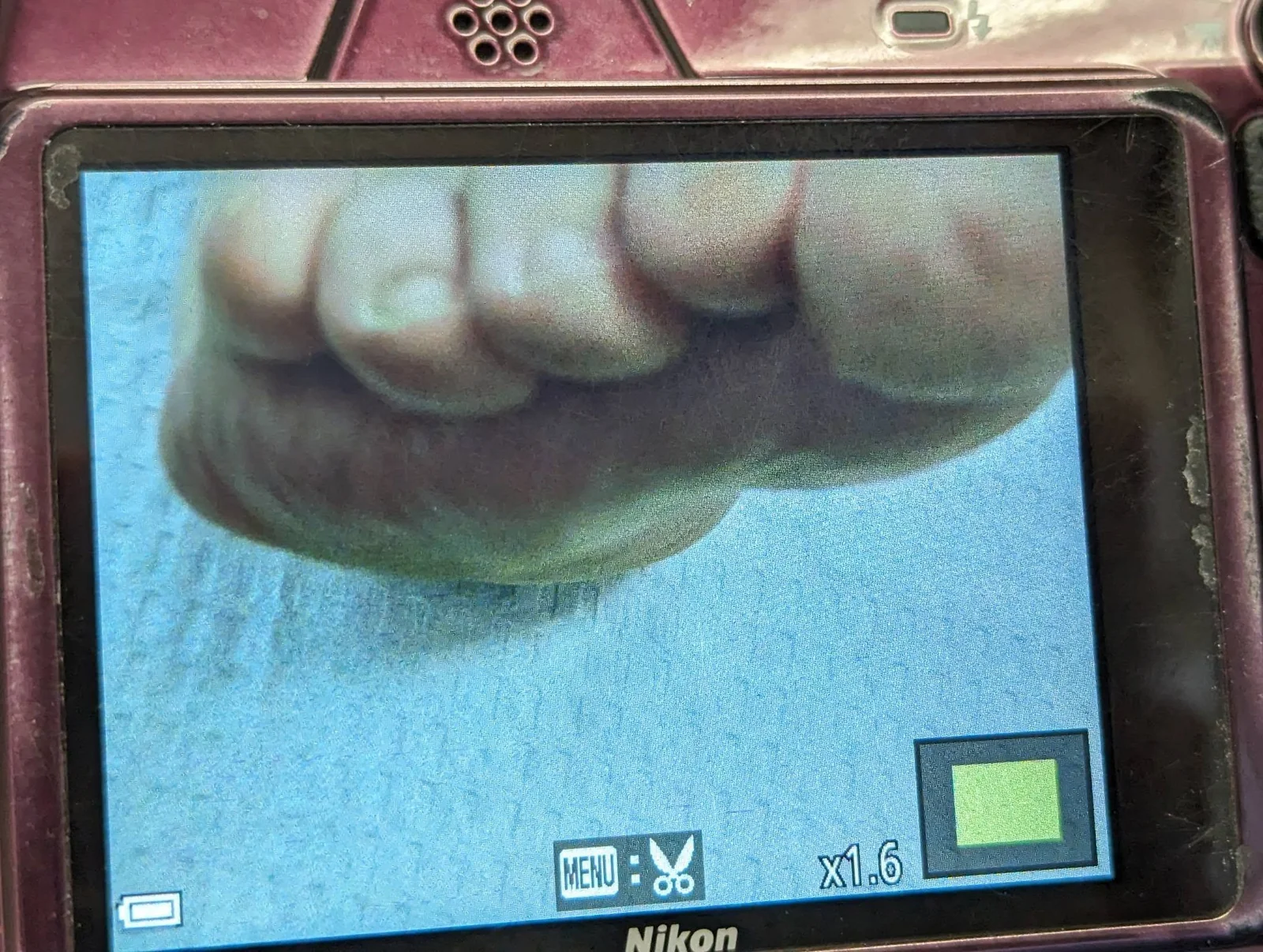
Hello! I'm trying to decide between surgical options or no surgery. I'm 57 years old and have lots of travel and other plans for being active. Problem: painful toes (15+ years) and metatarsal ball of foot (since last fall) Cause of pain: 1) toes stepping on the bottoms of their neighboring toes causing painful sores and 2) prominent metatarsals taking too much impact, leading to stress fractures Previous/current foot problems include: 1) plantar fasciitis 2) lisfranc injury (2006) 3) hammertoes 4) metatarsal stress reactions/fractures Things I've done include: 1) good shoes with custom orthotics 20+ years 2) walking boot Oct/Nov 2023 3) every possible toe separator on the market 4) padded sleeve under ball of foot 5) taping 6) multiple toe tenotomies 7) and much more Now feeling that conservative treatment of the toe issue has continued to limit my activity to where I can't do too much or too fast of walking without causing issues, I met with three surgeons in addition to my long time podiatrist. Doctor #1) Podiatrist I’ve seen since my 2006 Lisfranc injury, treats conservatively and wants to avoid surgery if at all possible. Result: things are getting worse. Doctor #2) Says my little toe is naturally fused, and she plans to do fusion of toes 2, 3, and 4 in my right foot, says this will straighten out metatarsal problem, and once recovered I shouldn’t have to think about my feet much anymore. Doctor #3) Wants to fuse three toes, cut bones to shorten the metatarsals and put in screws, and lengthen my calf muscle. Doctor #4) Wants to do Akin osteotomies on the big toes and arthroplasties on the other toes in both feet “arthroplasty of the PIPJ for digits 2 through 5”, can do them at the same time/day, 45 minutes per foot, expects me to be off narcotics about 5 days post-surgery, stitches out after 2 weeks, pins out after 4. He says if this does not resolve the metatarsal problem he would do an additional surgery later adding HW to those. I don't have pain in my big toes and no other doctor has mentioned a problem there. When I'm standing the big toe seems to be straight, but when relaxing it does appear to bend toward the other toes. I do not have pain on a day to day basis if I do not have too much activity. If I walk "too much" which always happens on vacations and other busy times at home, or walk quickly, I wind up with pain. I would like this fixed once and for all, but not at the potential expense of trading this pain and limitations for pain every day forever. The doctors seem confident in these solutions not causing any complication or long term issues. Anecdotally, I hear of many people wishing they had never had surgery because things are worse for them afterward. I went to a physical therapist last year who said there is nothing for them to offer, but I'm checking out another place in a couple weeks. I don't think PT can change how my bones are going, though. What should my next steps be? How do I decide on a particular surgery?
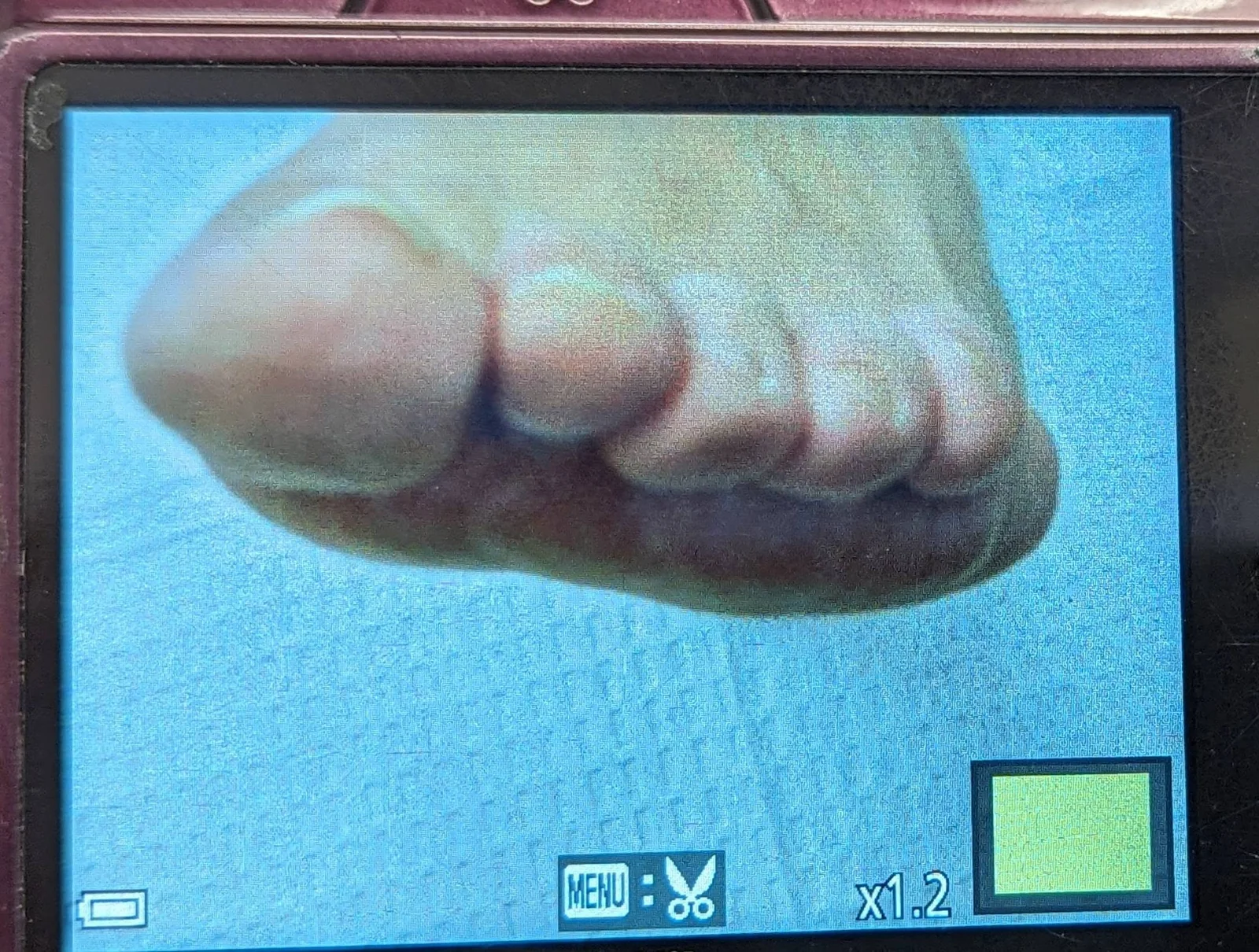
Archived from Forefoot Forum. View the original discussion on Facebook (sign-in may be required).
The visible discussion was fully captured at the time of collection.
Have you tried a shoe with a rocker bottom and a carbon plate or really stiff sole that it doesn't bend? I have walked on my little toe for many years and finally went to wide width shoes even though I don't need a wide width and my toes have naturally spread enough that I don't walk on my little toe any more. I also have functional hallux limitus and cuboid syndrome so I need a stiff sole shoe with a rocker bottom that doesn't allow my foot to bend when I walk.
I had a Taylor’s bunion and had surgery on it back in January of this year. During surgery, the surgeon broke my 5th metatarsal, shortened it and added a plate and screws along with a bone graft from my heel. I TOTALLY underestimated the recovery. Foot surgery is no joke. I would exhaust all other means prior to having surgery again. I’m now at a little over 6 months out, still have a little bit of pain and still walk with a noticeable limp (some days are worse than others). I have read where it could take as long as a year to get back to ”normal”. Do I regret the surgery? I’m not sure yet, but just know that the recovery can take a while. Good luck!
You might consider doing one of the online foot programs...like "Gait happens" or "Petra Fisher"...there is a lot of free content. And, altho I know we are taught "orthotics orthotics orthotics".. wearing minimalist/barefoot shoes has shown me WHERE my gait issues are. And, wearing minimalist shoes slowly taugjt me that almost none of my toes were working. The programs will teach that a lot of the foot issues we have originate higher up. Even if you end up doing surgery, you will have gotten your body in a better place beforehand. It took me a while to be able to tolerate minimalist shoes. And, most of my walking is done on my farm (so natural surfaces) not concrete. But I do A LOT of walking. I can wear my barefoot shoes for a few hours in town now. I am 59. I have significant bunions, and several years ago I tripped and dislocated my 2nd toe, and tore the plantar plate. I lost nerve enervation/control of that toe, and all movement. So I lost the power to use my toes to "push off" while walking. A few years later - high grade hamstring tears (altered gait.) Like you, I wore excellent shoes+orthotics. Now I cant tolerate a conventional shoe AT ALL. My feet are re-discovering their natural movements. I cannot recommend this enough. It may seem impossible, but its not.
Your feet sound like mine. I use toe separators...you can find various ones on Amazon, and wear Chaco Z sandals and boots. If I wear them most of the time, I can wear other shoes some of the time.
ALL surgery carries risk. And that’s the risk you take if anyone messes with your feet. Think long and hard about having surgery. It may make things worse. As for myself, I will only consider it if and when I’m desperate and can’t walk without a lot of pain. I’ve read far too many post-surgery foot horror stories…
Update 9/17/24 I have a new diagnosis for my ongoing metatarsal pain - Morton's neuroma. According to my new doctor yesterday's MRI shows no evidence there was ever stress reactions/fracture as was my prior diagnosis. None of the other doctors suggested there could be a different diagnosis when I still had pain after 7-9 months. I'm going to have surgery to have the neuroma removed and two toes fused with permanent implants. Other doctors had said 3, 4, or 5 toes, so different answers everywhere I go. I will be NWB for two weeks and then in a post-op shoe for four weeks. After that he expects me to be able to wear my regular gym shoes with orthotics, i.e. swelling is not expected to prevent this. The surgeon says I should only need pain meds about one week, which means I wouldn't be off work too long since I work from home using a laptop. While I'll have two toes with a joint which doesn't bend and may have some numbness where the neuroma is removed, if this can decrease my pain from walking by some large percent it will be worth it. I've been trying to resolve toe problems for about 18 years now and metatarsalgia for nearly a year. Continuing to be a couch potato to avoid pain isn't a good solution for me. Some of my concerns are: 1. I get frequent random muscle cramps throughout my body, no known cause, but can't imagine dealing with these on my leg or foot during recovery. My primary care has been no help other than to run some tests showing no problems. The surgeon seems unconcerned. 2. Getting around the house - last time I was NWB I was 18 years younger and many pounds lighter plus in better physical shape. It was easy to do on crutches then and scooting up and down stairs, plus my foot was safe in a hard cast. 3. Keeping surgical site safe from being bumped by cats, little grandchildren ages 2, 3, 4, and 5, and random anything that can happen even my own clumsiness. Protecting the surgical site at large family holiday events 3-7 weeks post-op. 4. Keeping foot dry when bathing/showering. Previously I could put my foot up on the side of the bathtub with a cast cover, not sure I'll be nimble enough for that now plus how to use a cast cover without putting any pressure on the foot and toes? Or using a shower chair in the shower which has a shower door but the shower head is stationary. 5. Decision to make - knee arthritis gel injection series due in October - do it before surgery or a month or two after? Part of me thinks I don't need this before since I won't be walking around much, part of me thinks it would be easier to get around if my knees aren't killing me, too. 6. Anything I should buy or do or have on hand to help during recovery.
UPDATE 7/21/2024 I began PT and I saw my long-time podiatrist Dr. T. regarding all recommendations and questions. In the PT eval the therapist observed me walking away from him, toward him, next to him, and noted gait issues that exacerbate my pain, so we are working on that plus strengthening and flexibility. PT barefoot on hard surfaces feels odd to me after avoiding barefoot walking for 20 years, and with hard surfaces causing metatarsal pain. But with or without surgery improving gait seems necessary. Dr. T. continues to recommend conservative treatment, but if I wanted to go ahead with surgery recommends dorsiflexor osteotomies of the second, third, fourth metatarsals as well as possible arthroplasties versus fusions of the second, third, fourth digits. **** I brought up suggestions I'd gotten from here and other places. He said the big toe is not the cause of the problems & wouldn't recommend surgery on it, no need to lengthen calf muscle, doesn't prefer fusion, always thinks PT is a good idea. Here is some information from my post-visit notes including my diagnoses X-rays show plantarflexed metatarsal heads 2 through 5 as well as triplanar deformity of the hammertoes second through fifth digits bilaterally. Patient also has a mild hallux interphalangeus with alteration of position of the first digit Bilateral foot and ankle pain Hammer digit syndrome with overlapping of the second digit onto the third and third digit on the fourth on the right foot Fourth and fifth digit pain right lower extremity Triplanar deformity of multiple digits of the lower extremity especially affecting the fourth and fifth digits Plantar fasciitis bilaterally Posterior tibial tendinitis bilaterally Metatarsalgia bilaterally stress riser and fracture third and fourth metatarsals right foot Lisfranc injury right lower extremity 2006: Treated nonsurgically Equinus deformity bilaterally Osteoarthritic changes of the bilateral lower extremity Right foot: Decreased range of motion. Deformity and prominent metatarsal heads present. Left foot: Decreased range of motion. Deformity and prominent metatarsal heads present. ++ Positive pain on manipulation of the affected right lower extremity specially over the third and fourth metatarsal shafts right foot with forced dorsiflexion and range of motion. ++ Hammer digit syndrome with hammering of digits 2 through 5 bilaterally: most affecting the second and fourth digits on the right foot Hammer digits, second through fifth digits. Dorsally contracted digits 2-5 with flexion contractures of the proximal interphalangeal joint's and distal interphalangeal joint's and extensor contracture of the metatarsophalangeal joints. The digits are semi-reducible in nature with positive arthritic changes affecting the digits and alteration with subluxation of the second through fifth metatarsophalangeal joints. Plantar fascial pain: Pain on manipulation of the medial calcaneal tuberosity bilateral feet. Positive pain on forced dorsiflexion and range of motion. Positive pain on compression side to side over the origin of the plantar fascia. -- pain elicited with performance of the windlass mechanism --Previous Lisfranc injury with residual pain right lower extremity Patient shows arthritic change with degenerative joint disease noted to the following joint: Affecting the ankle joint and all joints distal to that surveyed. -- This shows asymmetrical joint narrowing, loss of flexibility of the joint, pain with manipulation and mobilization of the joint, decreased range of motion, coarse crepitus, impingement of the joint. ++ Gastrosoleus equinus bilaterally: Decreased ankle joint dorsiflexion and plantarflexion. --decreased mobility of the subtalar joint and ankle joint with knee both extended and flexed. Positive stiffness of the anterior ankle to the bilateral lower extremity. --Muscle strength alter to the bilateral lower extremity.
Animal wool to separate toes
sure, I am looking for whatever option helps me get better and not worse. I don't want to be so lame as I am now.
www.dlwalkerconsultant.com

I hope you get back to feeling normal. My plan was to have surgery the first week of November and to take it easy as much as possible for the winter, even easier than I did this this winter after getting the walking boot, and then hopefully work my way up to normal activity levels in spring and beyond that in summer. It sounds like for now you are not better than before but could be later?
thanks, I have not heard of those programs before. I do know there is a big divide between minimalist and the more maximal I've been doing for ages. I mostly don't go barefoot at all.
I have tried about 10-15 different kinds of toe separators 🙁 they are not stronger than bones, plus don't help with the metatarsal issue. I'm glad you found something that helps you. See below for much of my collection.
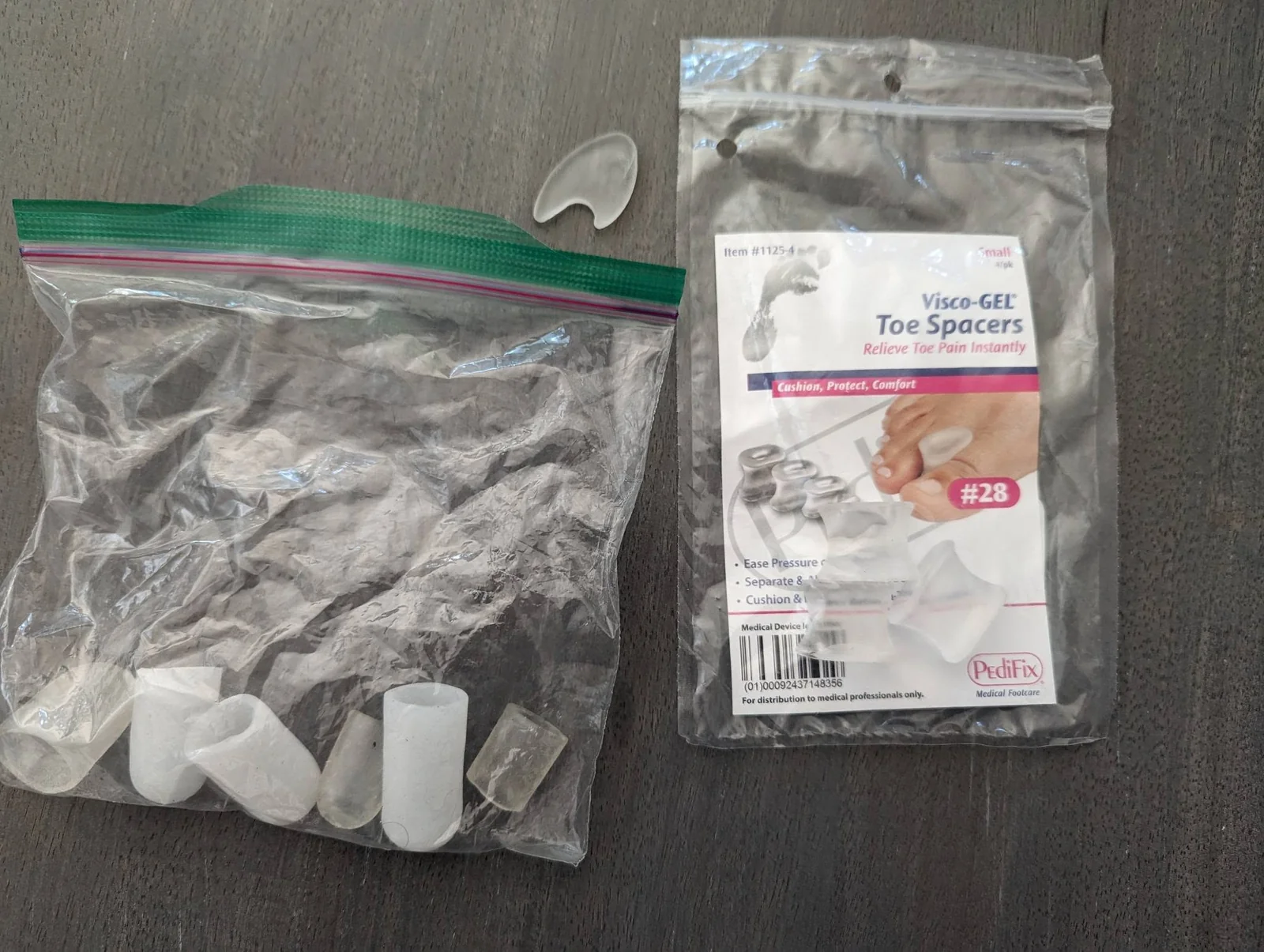
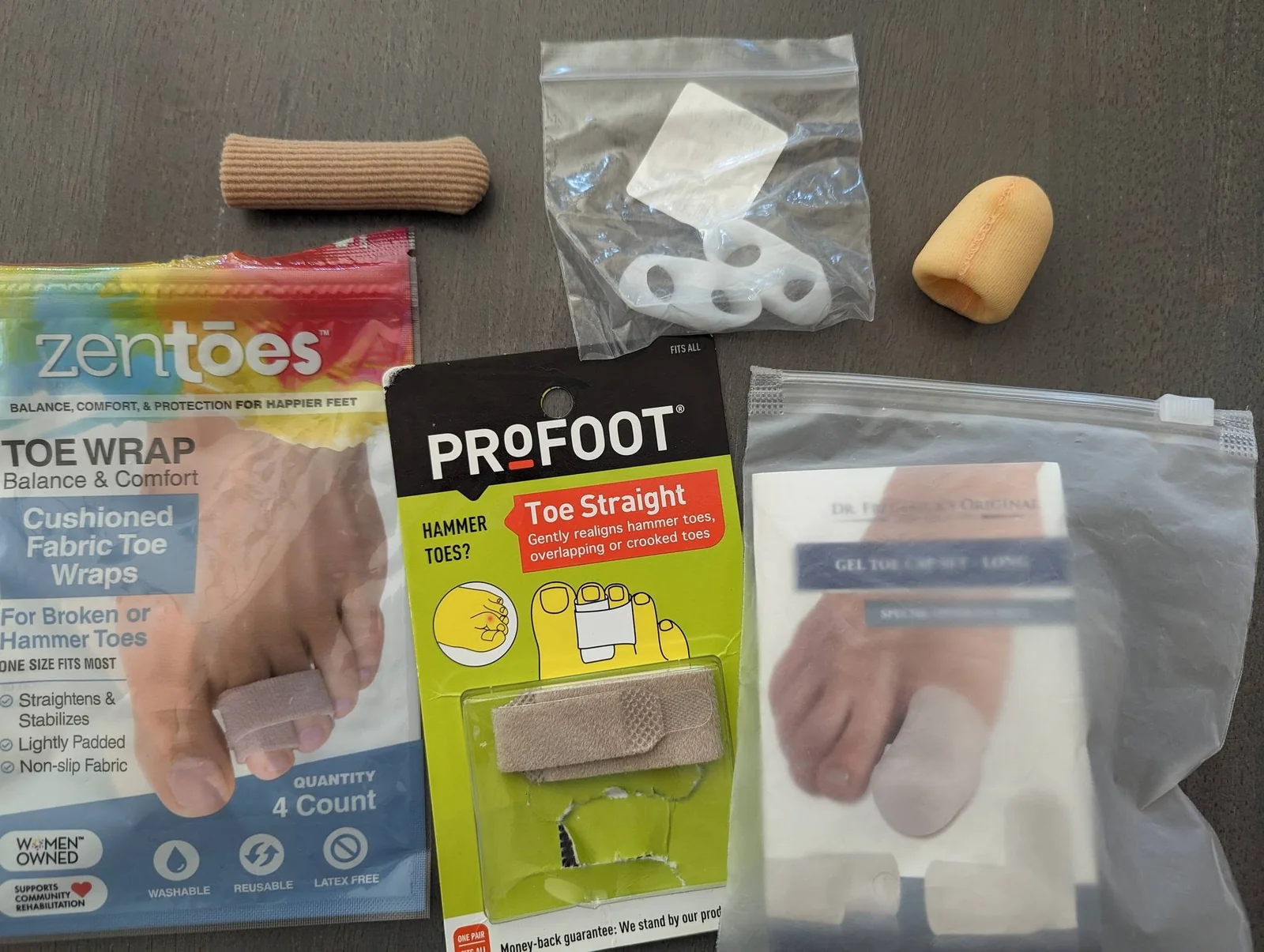
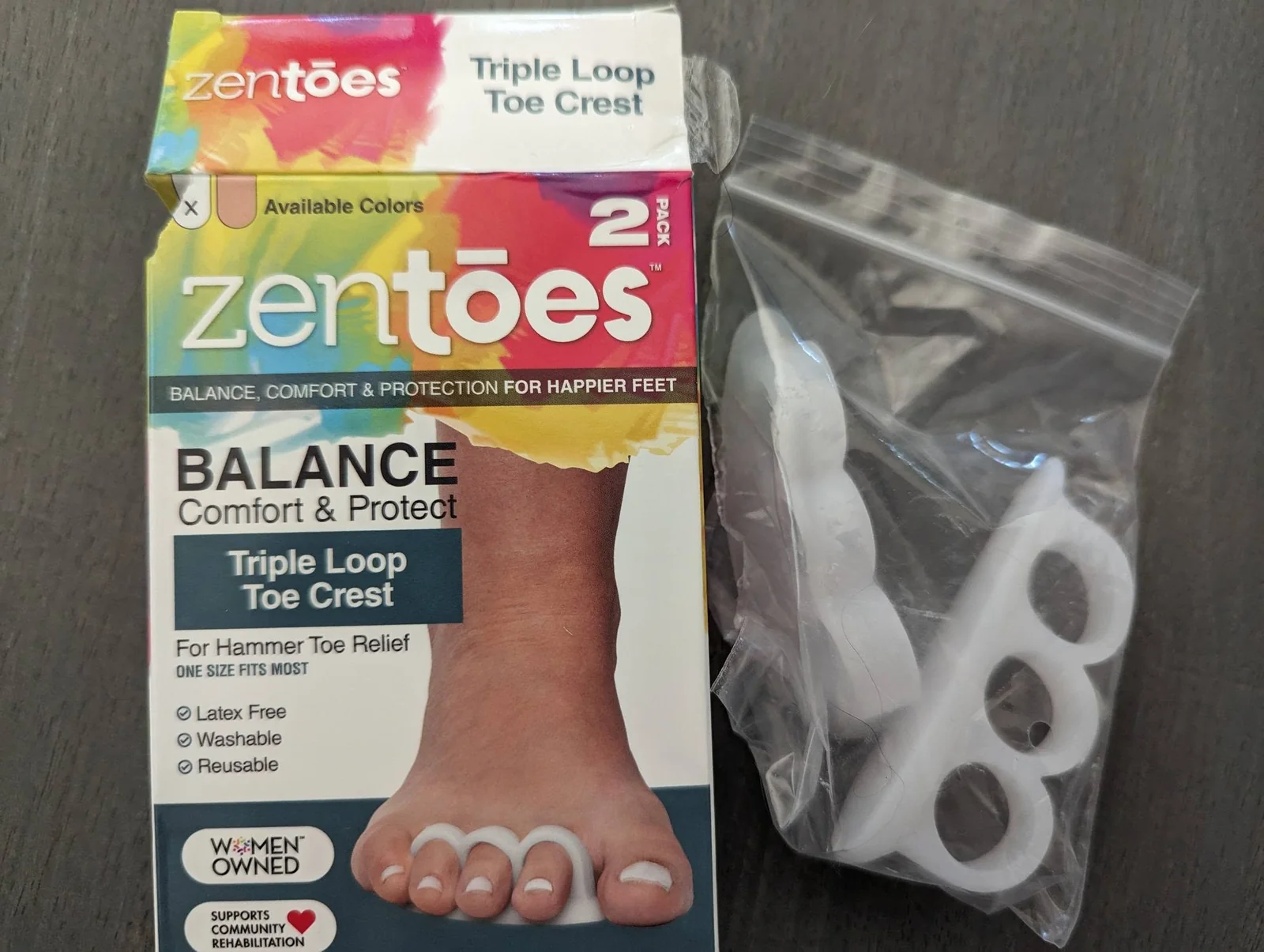
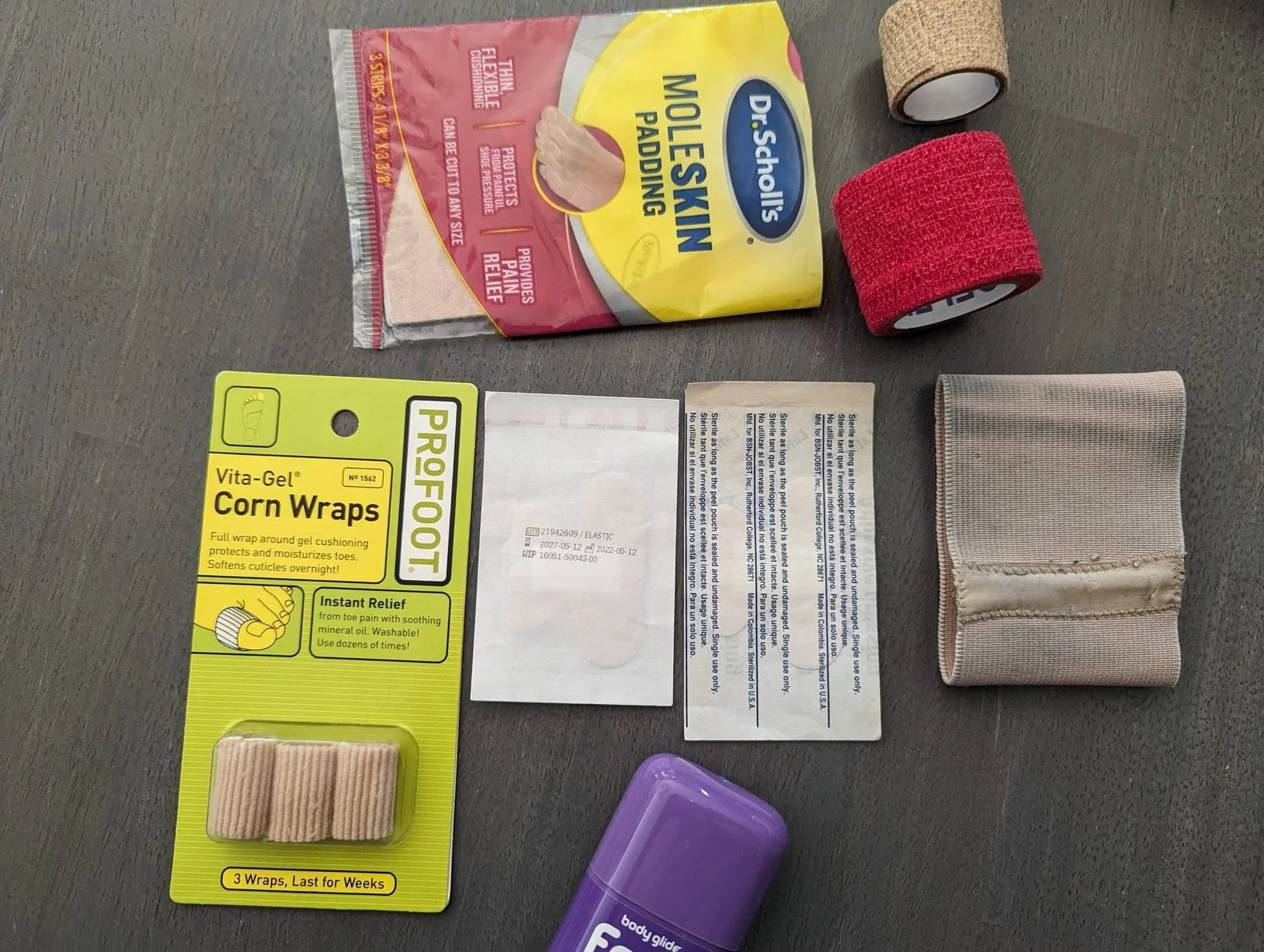
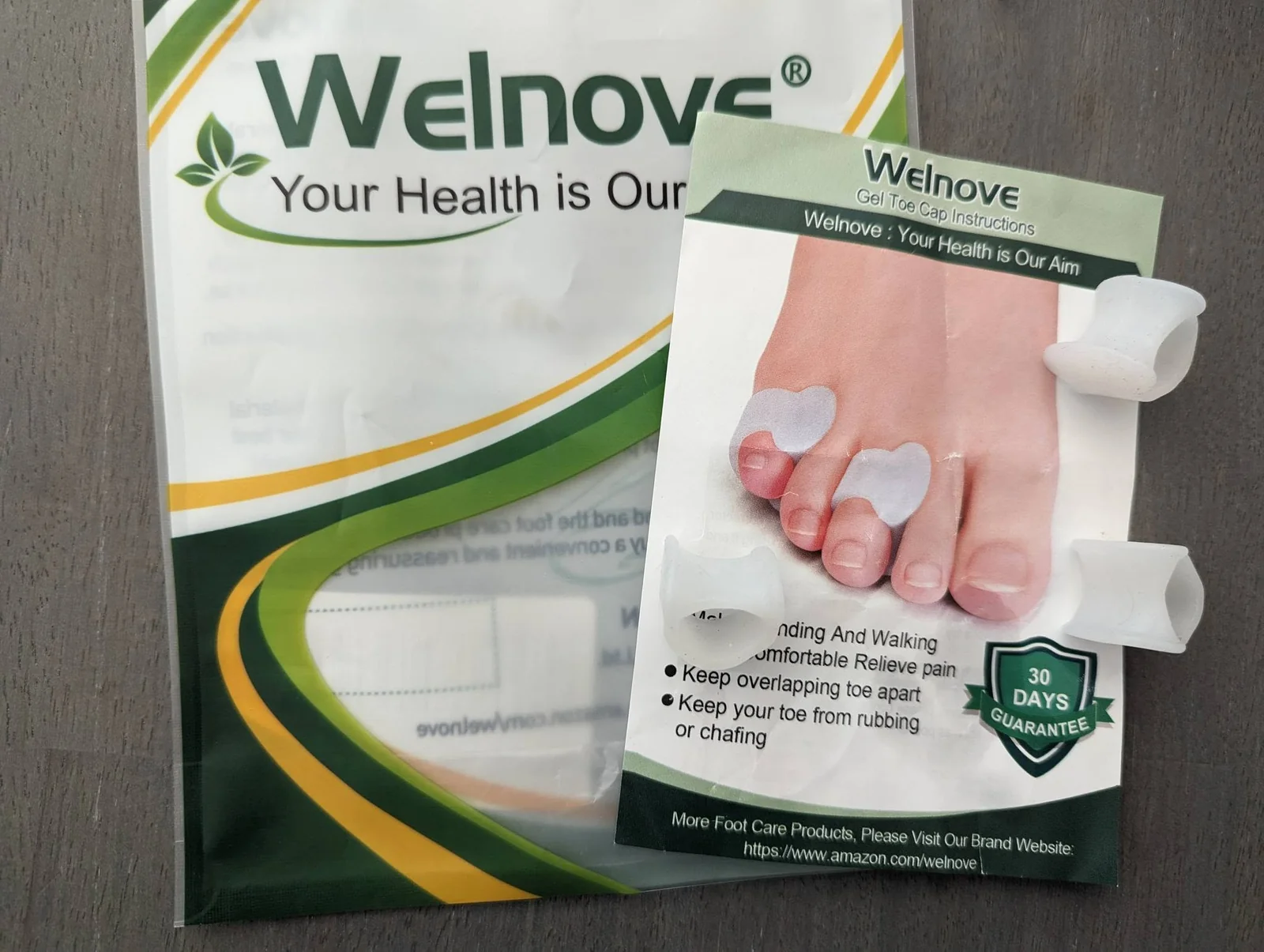
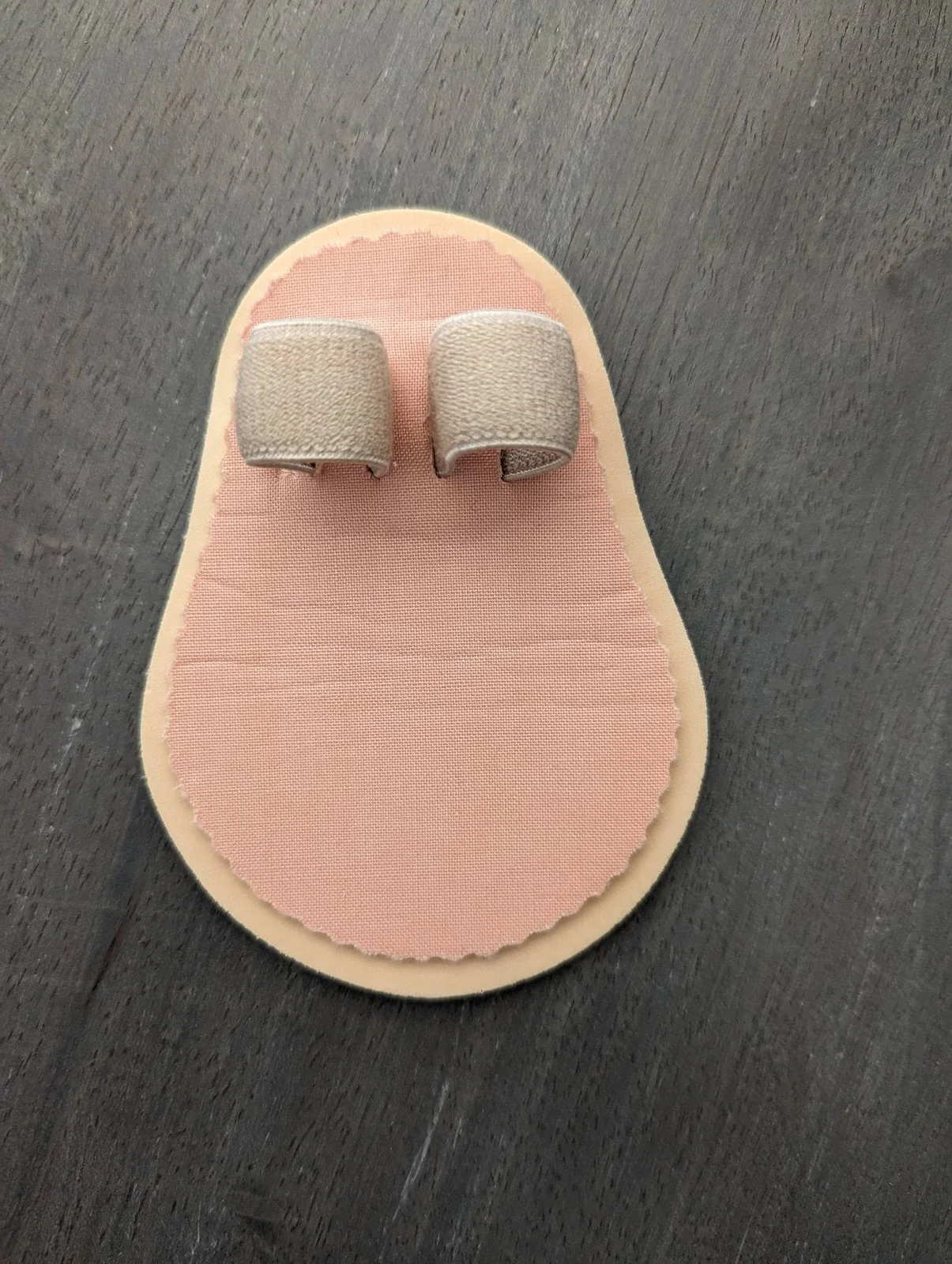
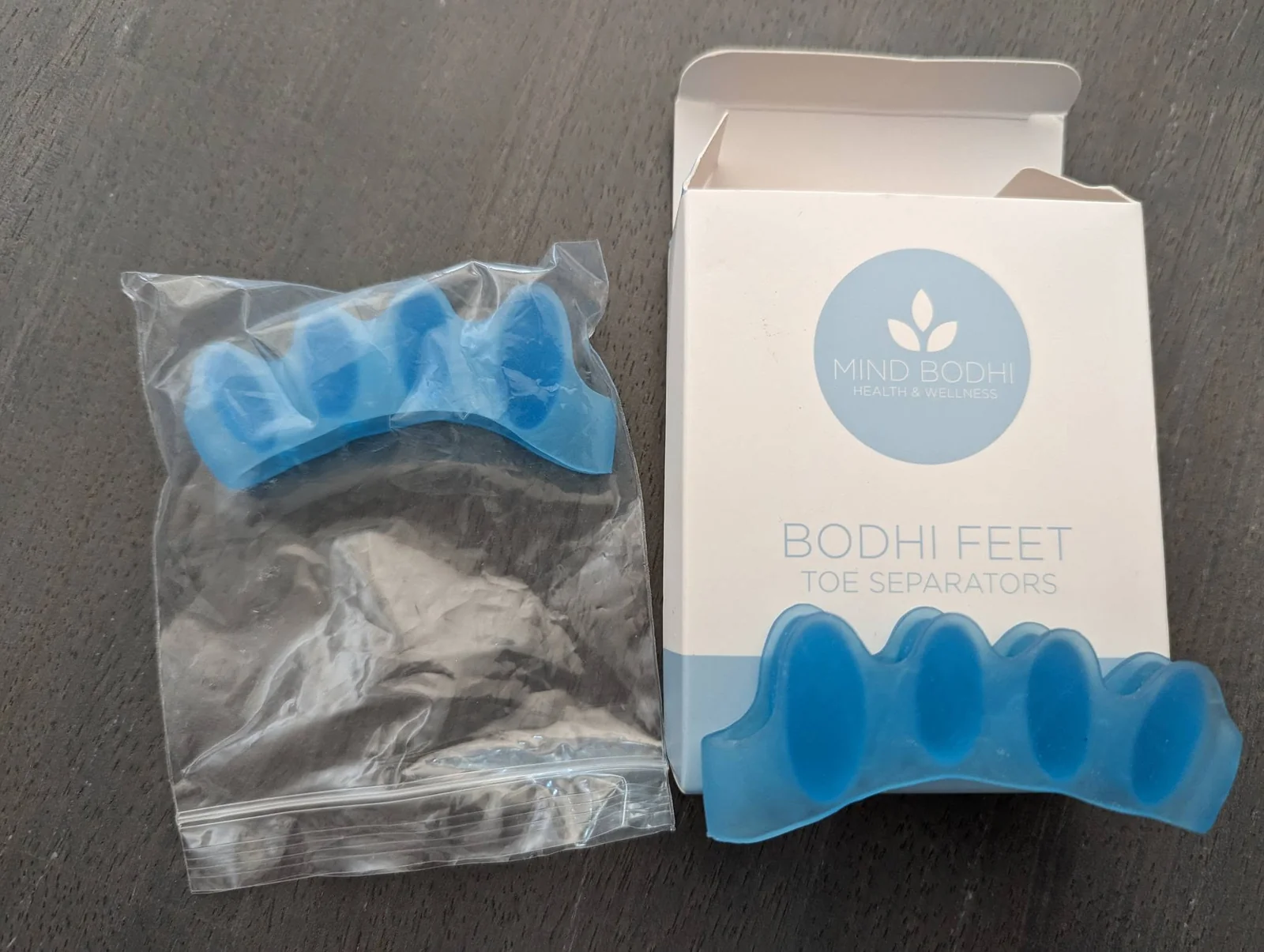
Weave animal wool around toes Diabetic seam free socks
that's what has scared me, yet I wonder if even though *most* stories I read are bad outcomes, if *most* surgeries are good outcomes so they are not writing about it on Facebook or anywhere else. I can still walk. I just can't do much of the walking I want to do.
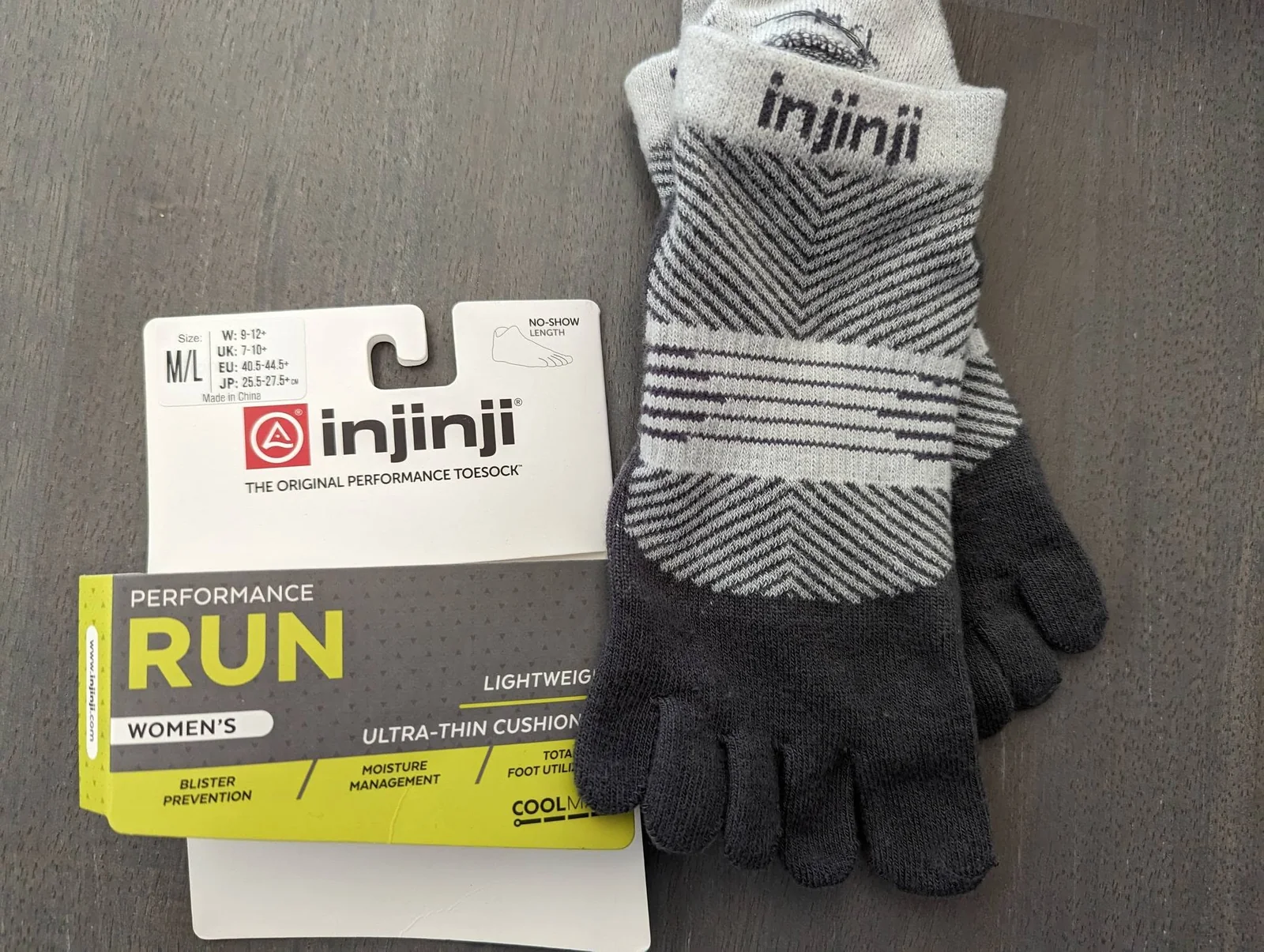
none of the hammertoe products work for me. Andbthe toe seperators make my hammertoe worse. Athletic tape works well. The exercises and foot programs are best. GET some QUALITY toe socks like Injinjis. I cannot stress this enough. Regular socks, like regular shoes, compress our toes.
sorry to hear it! I wasn't sure if the taping isn't part of what led to my metatarsal stress fractures at Disney World in October or not. Maybe I was doing it wrong? I did wonder about socks and while those toe socks do not seem to help, it's possible they would not make things worse. I can try them again. Even with those socks my toes still step on the ones next to them. Thanks.
stress fractures are sneaky bastbards. So, the taping is tricky. Too loose, andnit doesnt do anything. Too tight (too much pull) and your ligaments cant handle the new load. Apparebtly, I have circulatory damage...when I tape my damaged toe, it turns purple PDQ. For now, I do my stretches and exercises at night. I wear my barefoot shoes almost all day now. Someday I will probaby just have the bad toe amputated. Recovery is supposed to be faster/easier. I am too busy to endure a year of recovery. And, I have a health condition that limits the number of "good" days I get every month. Not gonna waste them on recovery. Your feet may not wait. BUT. At least try the free videos, and TRY a barefoot shoe..for 10 minutes, a few times a day. If you could walk FOR REAL barefoot in the grass, that would be best. But, my bad toe is hugely swollen from a wqsp sting...so caution. My favorite shoes...Amazon. Saguaro. For extra wide feet (or to accomodate toe spreaders.) Only THIS style.
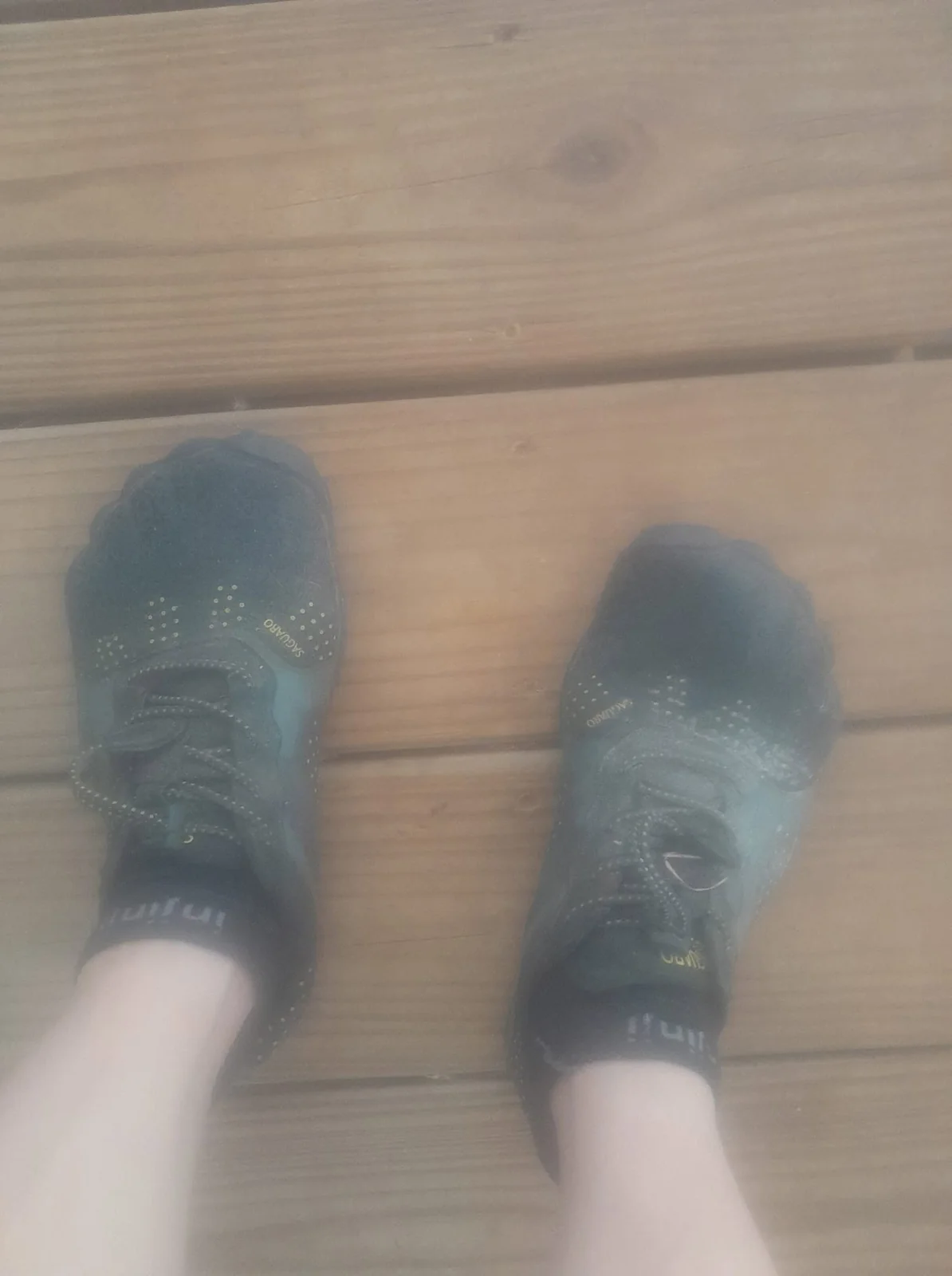
these are the toe socks I tried.
Unfortunately there’s no way of knowing. In my case my foot is messed up since I had a stroke nearly 6 years ago. It’s not “just” 3 hammertoes, it’s permanent numbness too. I really hate walking and it’s not going to get any better with surgery, though it definitely could get much worse. So I’m choosing to do nothing. I used to walk miles with my dogs every day. No dogs now and I walk as little as possible. I don’t enjoy it at all. My stroke caused just enough damage to wreck my life. My right (dominant) hand is permanently numb just like my right foot. My right arm feels like a 5 pound bag of sand is wrapped around it. Give me hammertoes over a stroke any day. The stroke is actually what caused my hammertoes. Before that, my feet were 100% fine. No problems other than some pronation which orthotics take care of. I’d suggest if you can walk leave it alone. That would be a sure thing. No risk at all. If you were to have a poor outcome from surgery you are stuck with it. But that’s just my outlook on it. I would have to be in a lot more pain than I am to even consider having surgery. Yeah, I am limited but I just bought an e-bike to get around on. My foot won’t be a problem riding… but I can’t feel the pedals under my foot when I drive my car.
Community replies
29 in this archive